

FSU Students Present Machine Learning Oceanography Research at Ocean Sciences Meeting 2026 in Glasgow
Jose Miranda and Jorge Velasco represented FSU and COAPS at Ocean Sciences 2026 in Glasgow, presenting machine learning work on oceanographic observation — including NeSPReSO, which generates synthetic temperature and salinity profiles for the Gulf of Mexico.
By Jose Miranda , Jorge Velasco
Published March 15, 2026
Students Jose Miranda and Jorge Velasco represented Florida State University's Department of Scientific Computing and the Center for Ocean-Atmospheric Prediction Studies (COAPS) at the 2026 Ocean Sciences Meeting held in Glasgow, Scotland this past February, presenting innovative research that applies machine learning to advance oceanographic observation and analysis.

NeSPReSO: Synthetic Ocean Profiles for the Gulf of Mexico
Jose Miranda presented "Neural Synthetic Profiles from Remote Sensing and Observations (NeSPReSO), an Open Web Interface and API for Synthetic Temperature and Salinity Profiles in the Gulf of Mexico." His work introduces a neural-network-based framework that integrates satellite observations and in-situ measurements to generate synthetic temperature (T) and salinity (S) profiles. The NeSPReSO system provides an accessible web interface and API, enabling researchers to easily retrieve high-resolution subsurface ocean estimates for the Gulf of Mexico and supporting broader data accessibility for oceanographic research.


Enhancing Sea Surface Height with Machine Learning
Jorge Velasco presented "Improving Sea Surface Height Resolution Using Satellite-Derived Chlorophyll-a and Temperature with Machine Learning." His research explores how biological and thermal satellite observations can be leveraged through machine learning models to enhance the spatial resolution of sea surface height estimates. By fusing multiple satellite-derived variables, the approach aims to improve the representation of ocean dynamics and mesoscale features.

Their participation highlights the department's continued contributions to interdisciplinary research combining advanced computational methods, machine learning, and oceanographic data to improve our understanding and monitoring of the marine environment.
Originally published by the FSU Department of Scientific Computing.
More from the blog
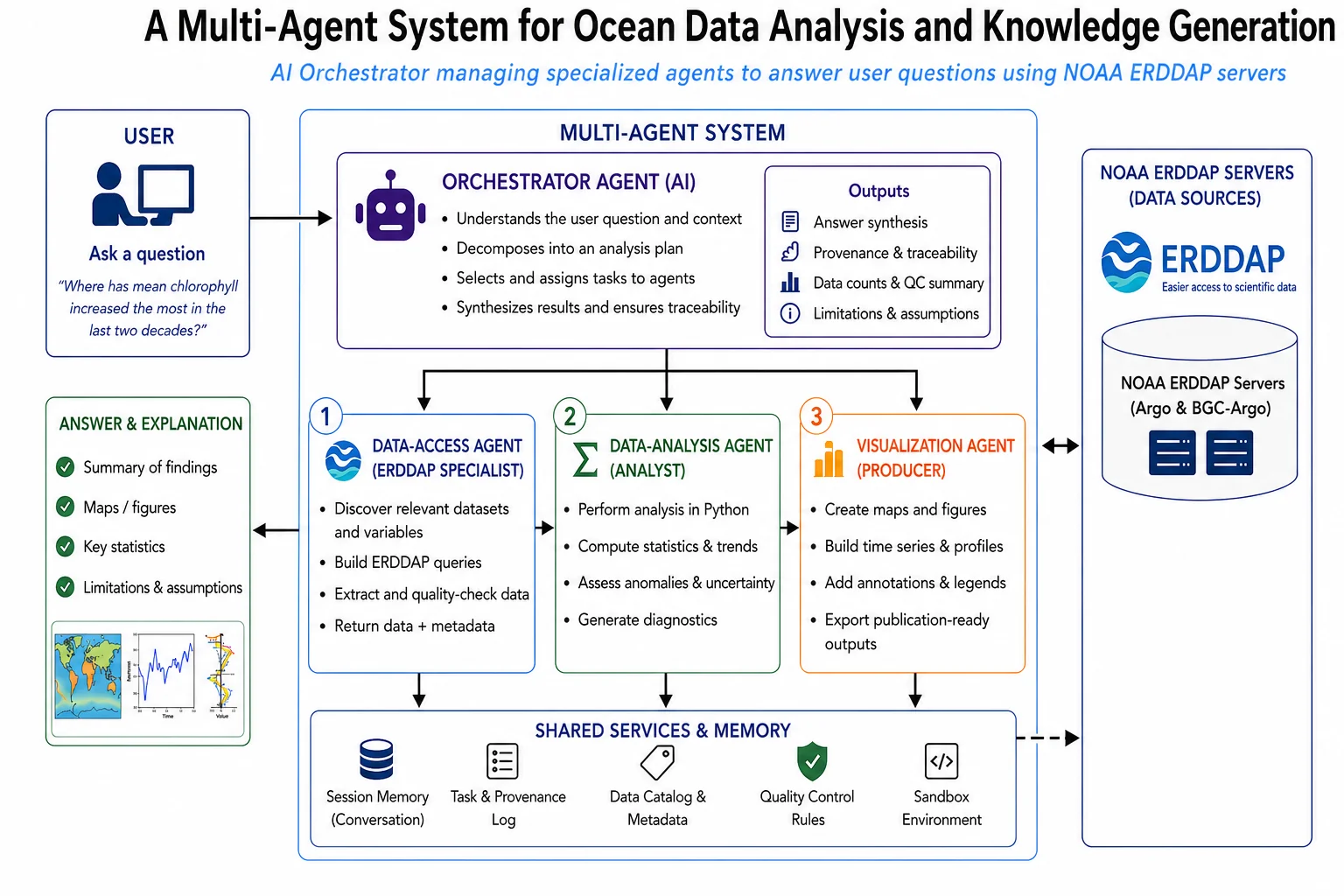
PULSE Lab Awarded a NOAA GOMO Pilot for Multi-Agent AI Ocean Data Analysis
NOAA's Global Ocean Monitoring and Observing Program selected the lab for one of eight FY26 AI and Data Management pilots: a multi-agent AI system that answers plain-language questions about ocean observations with traceable, reproducible results.
- LLM
- Ocean
- SciML
 Olmo Zavala-Romero
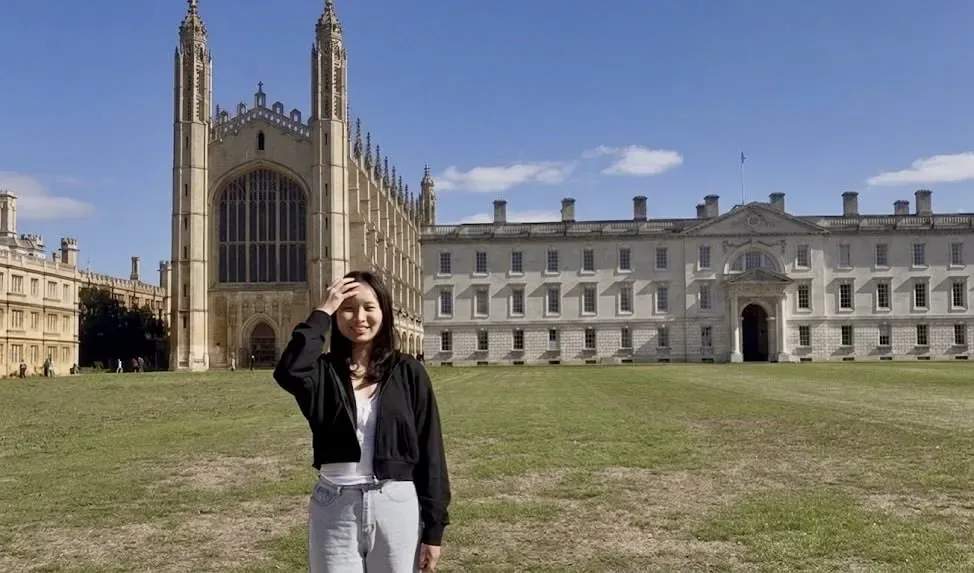
Yifan Wang Attends COGNESTIC 2026 in Cambridge and MICCAI 2026 in Strasbourg
Doctoral student Yifan Wang has returned from two events in Europe: the COGNESTIC 2026 neuroimaging summer school at the University of Cambridge and the MICCAI 2026 conference on medical image computing in Strasbourg, France.
- Health
- SciML
Olmo Zavala-Romero 
Join the FSU SC Artificial Intelligence Seminar on Discord
The FSU SC Artificial Intelligence Seminar now has a Discord server. The seminar meets Fridays at noon in DSL/SC-499 and on Zoom, with talks spanning scientific machine learning, diffusion models, AI ethics, and human creativity.
- LLM
- SciML
- Tech
Olmo Zavala-Romero